Read Our Tips to Prevent Your Home EV Charger From Malfunctioning
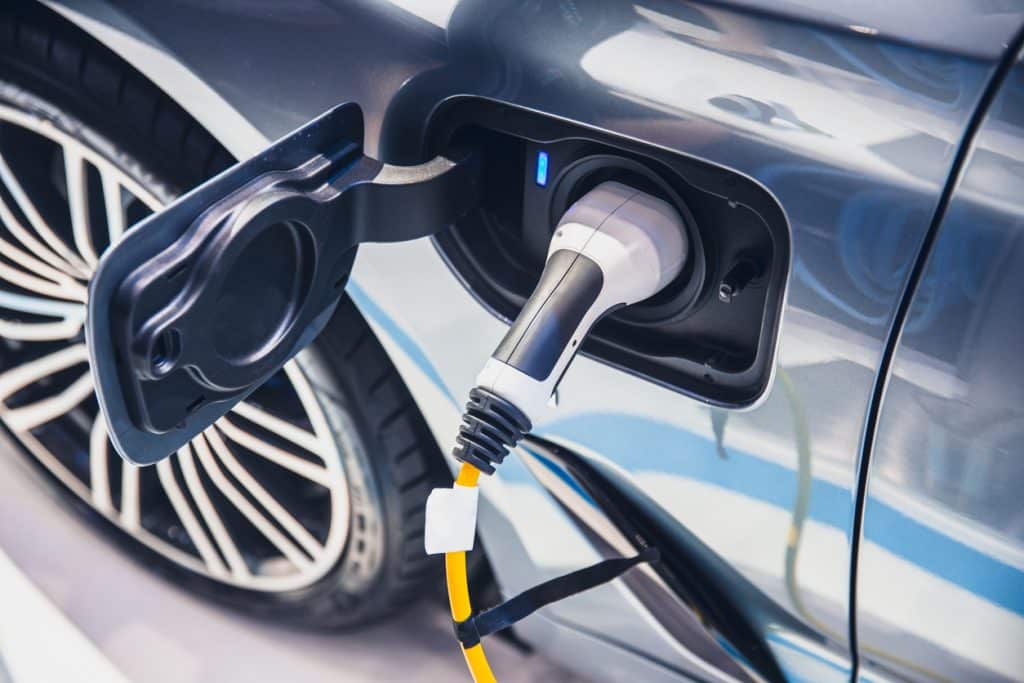
The statistics give a clear view: People love charging their electric vehicles from home. According to the U.S. Department of Energy, more than 80% of EV charging occurs at home, and approximately 30% of U.S. households are multi-family dwellings, such as apartments and condominiums. Since these charging units involve electricity, it’s not unusual to run into a problem or two. Here are some tips on how to prevent them.
Always Hire a Professional
A home EV charger can make life a lot simpler, and you can avoid heading to a public charging station. What matters most is following proper installation, and that means hiring a licensed electrician for safety and peace of mind.
An expert has the knowledge and skills for standard setups and outdoor placements to more complex configurations. Some of these would include new outlets, splitters or dedicated electrical circuits. Also, your EV charging equipment should be certified by a Nationally Recognized Testing Laboratory (NRTL), which meets OSHA’s safety standards.
Stay Up-to-Date With the System
Your home EV charger is an electrical system with a “digital brain” that needs a watchful eye. It’s crucial to consult the manual or the manufacturer’s website for the latest information to keep your electric vehicle charger’s firmware, software and applications up to date.
Additionally, always refer to the manufacturer’s guidelines for charging your vehicle and maintaining the vital components of your charging station.
Do Not Ignore Any Charging Red Flags
EV chargers usually run smoothly for most homeowners, but problems can show up, warning you that something is amiss. Maybe you’ve experienced decreased charging speed, error messages or hot cables. Or perhaps, you’re smelling an unusual odor or detecting strange sounds. Professional electricians recommend having immediate service for your charging station.
Don’t take chances; have these issues evaluated. Studies suggest EVs catch fire at a lower rate than internal combustion engine vehicles. However, EV fires, especially in residential settings, are often tougher to extinguish and generally more destructive.
Do Not Try These at Home
Having a home EV charger is modern, convenient and well worth the professional installation and inspection. Don’t put yourself and your family at risk. Do NOT do the following at any time:
- Run EV charging cables under the garage door.
- Install an outdoor charger without a high weatherproof rating.
- Use a multi-plug adapter or extension cord with your charging device.
- Leave charging device components where children can reach them.
- Use an EV charger with obvious signs of damage.
- Charge your electric vehicle outside during extreme weather conditions.
As amazing as home EV chargers are, they can malfunction. Follow the guidelines above to get the best out of your charger. If you have concerns or require EV charger services, contact Henninger Electric in Cedar Falls, IA.