You are considering a home charger for your electric vehicle but cannot make up your mind on the type. Is a hardwired one worth the additional effort over a plug-in? How does one determine what is right for your car, your house and your finances?
Such questions are common to any EV owner and the answer is not always clear cut. We at Henninger Electric have been tending to the electrical needs of Cedar Valley homeowners since 1995 and installing an EV charger is now among our most in-demand services. For those who would rather put it to a real electrician, call (319) 419-7930. Otherwise, read on for some clarity.
The Two Main Types of Level 2 Chargers
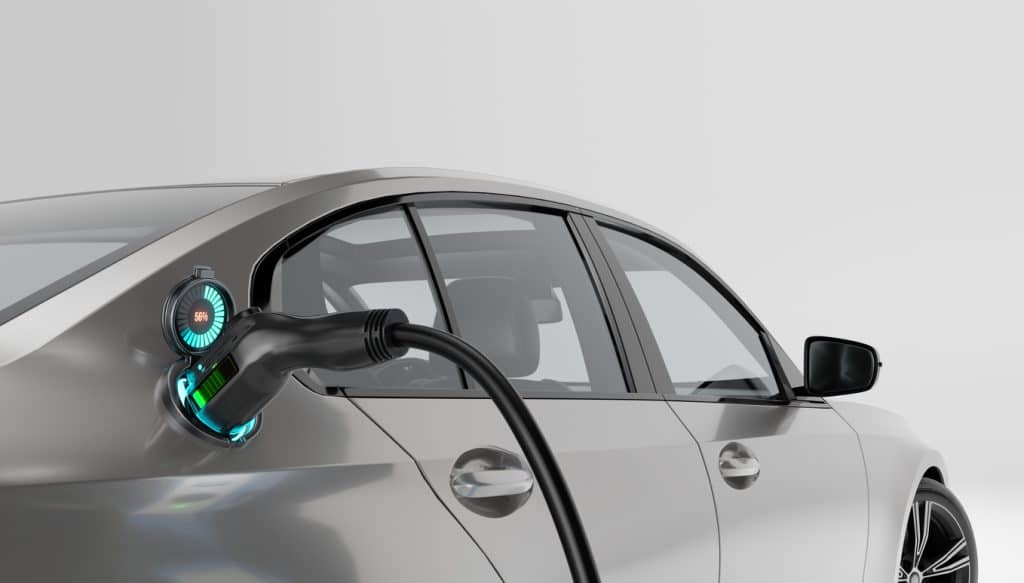
A Level 2 is what most want for the home. It operates on a 240-volt circuit and puts power into the car much quicker than the standard cord supplied with the vehicle. With a Level 2 you can either hardwire or plug in.
With a hardwired model the unit is put in direct contact with the home’s electrical system. There is no outlet, no plug, just a straight connection to the circuit. A plug-in charger is more like a big appliance; the electrician will put in a 240-volt outlet, a NEMA 14-50 for instance, and the charger is plugged in. The charging power is identical from one to the other. Where they diverge is in the installation and some practicalities we get to below.
The Case for Hardwired Chargers
They have their adherents and there is reason for it. The chief benefits are:
- No cord or outlet to be seen on the wall, giving a cleaner, more permanent appearance
- Frequently a higher amperage rating for swifter charging if the vehicle allows
- More appropriate for outdoors as the outlet is not left to the elements
- Deemed safer for high output by virtue of having no plug that could work loose
- Less chance of failure in the connection
Then there are the tradeoffs. Being fixed in place, repositioning a hardwired charger calls for an electrician. And should it need to be replaced it is not as simple as unplugging one and putting in another.
The Case for Plug-In Chargers
These have gained popularity with homeowners for the flexibility they afford:
- You can unplug and bring it along when you move
- Upgrading or replacing is straightforward without any rewiring
- The 240-volt outlet is available for other equipment
- Installation is often quicker given the right spot for the outlet
- Some are made by the manufacturer for this very purpose
But there are drawbacks. The plug and outlet add to the number of connection points and will see wear over the years. Amperage may be lower than a hardwired version. An outdoor outlet also has to be weatherproofed.
Which One Is Right for Your Home?
It is a matter of circumstance. For an outdoor location and the fastest charge a hardwired is sensible. If you prefer to be able to take the charger with you or have an easy path to an upgrade down the road, go with plug-in.
Do not forget the electrical panel in your home. High-output chargers are power hungry and the panel must be up to the task. At times an upgrade is in order. That is what we assess on site and why it is best to have a licensed and insured electrician review things before any purchase.
We serve all of Black Hawk County and the Cedar Valley area including Cedar Falls, Waterloo, Evansdale, Hudson, Waverly, Independence and Jesup. Henninger Electric has an A+ with the BBB and a 100 percent satisfaction guarantee on our work. Free estimates and financing are offered as well.
If you are still on the fence between hardwired and plug-in let us put the options in perspective for your home and vehicle. Call us at (319) 419-7930 Monday to Friday between 7:00am and 5:00pm and we will find you a charger to suit your driving.