
Safety Tips for Aging Electrical Panels in Older Homes
An electrical panel is the nerve center of a house’s electrical system. However, older homes often have outdated or unsafe panels, and safety issues may not be obvious at first glance. With that in mind, here are some tips to follow.
Replace Panels That Still Have Fuses
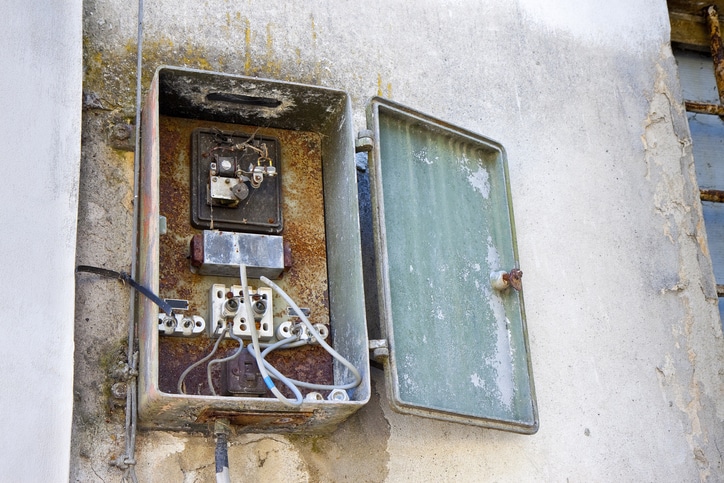
If your older home still has an electrical panel with fuses, you need to replace it immediately. Circuit breakers became standard by the late 1960s, which tells you a few things about your panel. One is that it likely isn’t capable of meeting modern electrical demands. Replacing your fuse box with a modern electrical panel is essential to keep your home safe.
Beware of an Ungrounded Electrical Panel
If you walk around your home and notice only two-prong electrical outlets, your home’s electrical system likely isn’t grounded. It’s a common situation in older homes, and it requires urgent attention. Grounding is a vital safety feature that provides a safe path to the ground during a malfunction. That can prevent shocks and electrocution. Ungrounded outlets typically mean your home has an ungrounded electrical panel as well. Consider upgrading both your panel and your home’s wiring to meet modern standards.
Watch for Rust or Corrosion
You should also be alert for rust or corrosion anywhere on your electrical panel. That indicates the presence of moisture, which doesn’t mix with electricity. If you spot rust or corrosion on your panel’s exterior, there’s a good chance internal corrosion is present as well. That possibility should prompt a call for a thorough inspection by a qualified electrician.
Beware of Recalled Electrical Panels
Over the years, multiple makes and models of electrical panels have faced recalls due to safety issues. If yours is an older panel, it may have been recalled and needs replacement. For example, electrical panels from Zinsco and GTE Sylvania from the 1970s had recalls due to fire risks. Federal Pacific panels installed between 1950 and 1990 have defective circuit breakers that may not trip when required. Challenger panels from the 1980s and 1990s also need immediate replacement.
Schedule More Frequent Inspections
Modern electrical panels need inspection every five years to ensure safety. In your older home, however, it’s a good idea to schedule inspections every two years. That provides an opportunity to spot age‑related degradation before it becomes a safety hazard. If you’re not planning to replace your panel, regular inspections can be a cost‑effective safety alternative.
Just because your older home’s electrical panel isn’t new doesn’t automatically make it hazardous. That’s especially true if you know the warning signs of a problem to watch out for. Still, it’s wise to consult an electrician to see if an electrical panel upgrade is a good idea. If you have concerns or require electrical panel services, contact Henninger Electric in Cedar Falls, IA.